Deep Dish Apple Pie in an Italian Shortcrust Pastry
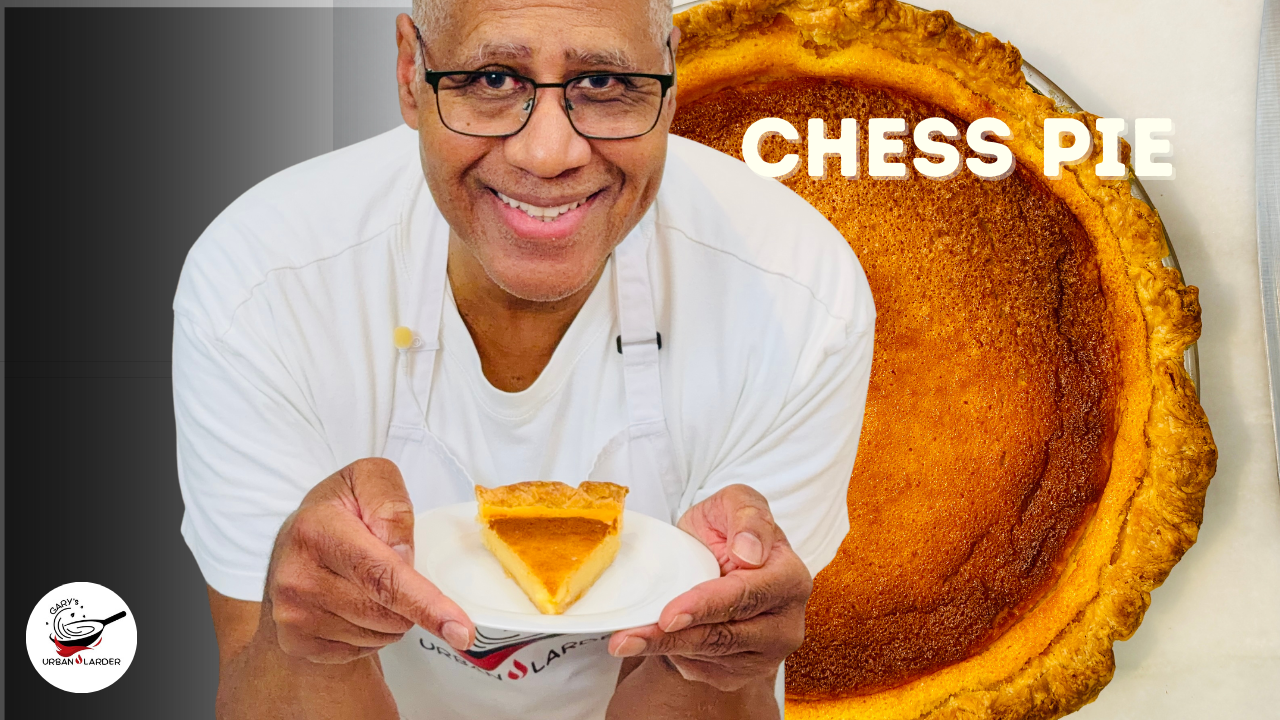
This pie is part memory and part method. I learned chess pie from Miss Tommie, and my father—born in Kentucky—loved it most of all. The flavor is simple and right: butter, sugar, eggs, a little fine cornmeal, lemon, and vanilla.
I usually bake by hand, but here I show how a food processor and blender (on low) deliver the same old-fashioned result with steadier control. Blind-bake the crust, blend the custard briefly, and bake to the classic cues: a crackly top, set edges, and a gentle jiggle in the center.
Watch my video to follow along step-by-step.
Old-School Chess Pie
Yield: 1 (9-inch) pie; 8 slices
Time: Prep 25 minutes (plus chilling) · Bake 45–55 minutes · Cool 3 hours
Ingredients
Short Crust Pastry (Food Processor) 9-inch shell
1¼ cups (160 g) all-purpose flour
½ tsp fine sea salt
1 Tbsp (12 g) sugar (optional)
½ cup (115 g) unsalted butter, cold, ½-inch cubes
3–5 Tbsp (45–75 ml) ice water
1 tsp (5 ml) apple cider vinegar (optional)
Chess Pie Filling — All-in-One Blender
1¼ cups (250 g) sugar
2 Tbsp (16 g) fine cornmeal
1 Tbsp (8 g) all-purpose flour
¼ tsp fine sea salt
4 large eggs, room temperature
½–⅔ cup (120–160 ml) heavy cream (½ cup = firmer slice; ⅔ cup = softer custard)
½ cup (115 g) unsalted butter, melted to lukewarm
1–2 Tbsp (15–30 ml) fresh lemon juice + ½ tsp finely grated zest
1 tsp vanilla extract
Method
1) Make the pastry
Add flour, salt, and optional sugar to the processor; pulse 2–3 times.
Scatter in cold butter; pulse 8–12 quick bursts until most pieces are pea-size with a few flat flakes (do not smear).
Stir vinegar into the ice water. With short pulses, drizzle in water 1 Tbsp at a time, pulsing 2–3 times after each, just until the dough holds when pinched.
Tip onto the counter, press together, and do 2–3 quick smears (fraisage). Form a disk, wrap, and chill at least 1 hour.
2) Roll, line, and blind-bake
Roll to a 12 in (30 cm) round, about ⅛ in (3 mm) thick. Fit into a 9-in (23 cm) pie plate; trim to a ½-in (1.2 cm)overhang, fold under, and crimp. Chill 30 minutes (or freeze 15 minutes).
Heat oven to 400°F (205°C). Line shell with parchment; fill with pie weights to the rim.
Bake 15–18 minutes. Remove weights and parchment; dock the base lightly.
Bake 8–12 minutes more to light–medium gold. Reduce oven to 350°F (175°C). Keep the shell warm.
3) Blend the custard (all-in-one)
Into the blender in this order: sugar, cornmeal, flour, salt → eggs → cream → lukewarm melted butter → lemon, vanilla.
Blend LOW for 5–7 seconds, stop and scrape; blend LOW for 5–7 seconds again.
Rest 3–5 minutes so bubbles rise and the cornmeal hydrates; skim foam. (Optional: strain through a medium mesh into a jug.)
4) Bake, cool, serve
Set the warm blind-baked shell on a sheet pan. Pour in the custard.
Bake at 350°F (175°C) on the middle rack for 45–55 minutes.
Doneness cues: a crackly sugar top, edges set and lightly puffed, and a 2–3-inch gentle jiggle in the center when you nudge the pan. Tent loosely if the top colors fast; add a pie shield if the rim darkens early.
Cool on a rack at least 3 hours until fully set. Slice with a warm knife. Serve at room temperature.m.
💡 Larder Notes
Why the tools: The processor keeps butter cold and visible (flake). The blender on LOW mixes without foam; resting lets bubbles rise for a smoother top.
Cream choice: ½ cup gives cleaner slices; ⅔ cup gives a softer custard and may bake toward the upper end of the window.
Cornmeal type: Use fine, yellow cornmeal for the classic chess texture.
Pie plate: Glass/ceramic often needs the full 45–55 minutes; metal can finish earlier. Trust the cues over the clock.
Make-ahead: Pastry can be made 2 days ahead; blind-bake earlier the same day. The baked pie keeps 1 day at cool room temperature, then refrigerate up to 3 days (loosely covered).
Serving: Best at room temperature. The crackly top softens if refrigerated; it firms back slightly as the pie warms.
© 2025 Gary R. Rice. All rights reserved.
This work, including all original recipes, text, images, and related media, is the intellectual property of Gary R. Rice. No part of this content may be reproduced, published, distributed, or adapted in any form without prior written consent from the author.
Personal, non-commercial use is permitted with clear attribution. Commercial use, including publication, broadcast, or syndication, is strictly prohibited without express permission.
All rights to this content are retained personally by Gary R. Rice, regardless of any business or channel name under which the material is published.